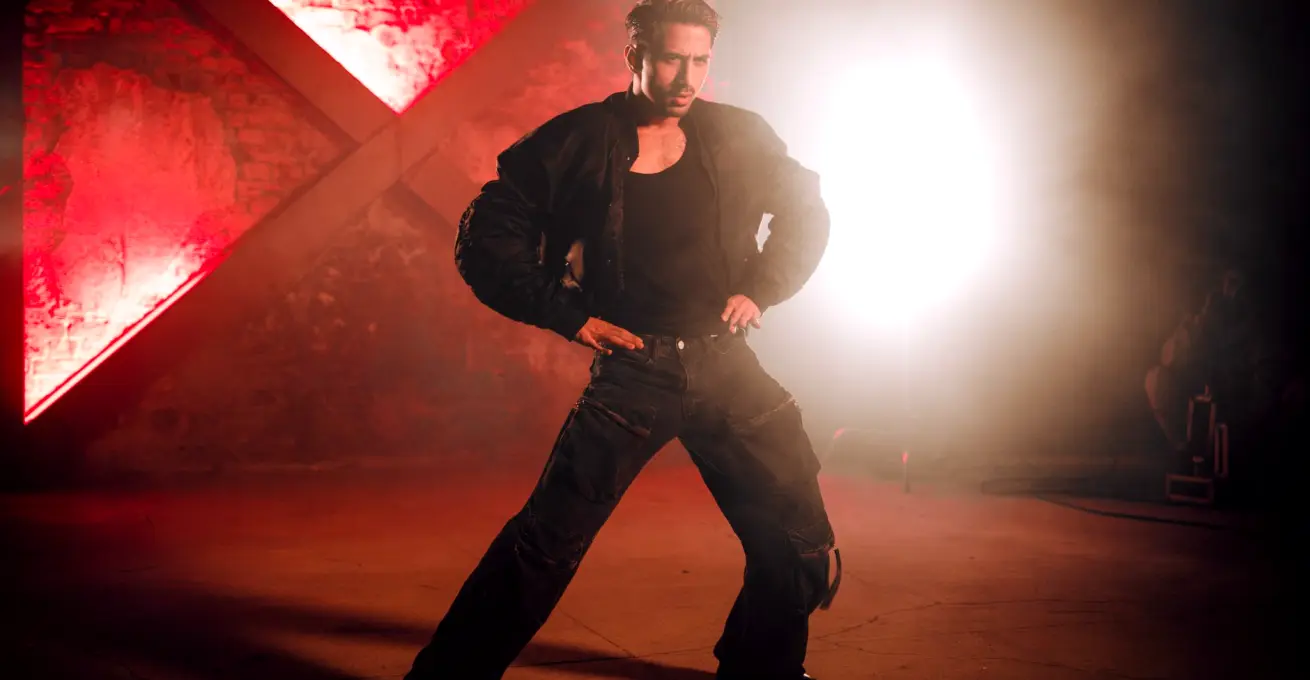
For some time our lighting design work has begun in the same place: a list of the cameras, lenses and recording formats a production intends to use. It sounds obvious, yet many plots we are shown at the start of a project were drawn for the eye of a person standing in the room. A camera does not see a room the way a person does. Its sensor has a limited range between shadow and highlight, and a plot that looks warm and generous from the stalls can produce crushed blacks or burnt skin tones on screen.
Priya Nair, our lighting designer, now asks for the camera package before she draws a single fixture. The sensor type, the exposure the camera operators prefer and whether the shoot is recorded or transmitted live all shape the plot. A live multi-camera show leaves no time to repair uneven light in post production, so the balance has to be right at the source.
I am writing as the sound engineer, so I see this from the next desk along. When the lighting and the cameras agree, the gallery runs quietly. Fewer corrections are called across the talkback channel, and that matters to anyone who has tried to mix a show over a noisy intercom.
A lighting plot is a working drawing, and it needs to answer a short list of practical questions. Where are the cameras positioned, and how far do they travel? Which faces and surfaces must be lit evenly for every angle, and which can be allowed to fall away? How much power and rigging weight does the building or the stage actually offer? We put these questions to the producer in writing so the answers are on record and the whole crew reads from the same page.
Colour temperature is the next decision. Mixing daylight-balanced and warm sources in one frame is possible, but it must be a deliberate choice, not an accident of what was available. We also note how reflective the set is, because glossy floors and metallic trim can send a hot spot straight back into a lens.
Finally the plot records how the lights will be controlled. A show that cues lighting from a desk, one that follows a fixed look for a long recording and one that must react to a live crowd call for quite different programming. Writing this down early avoids arguments on the day of the rig.
- Camera positions and the range of movement for each operator
- Colour temperature and the balance between sources
- Rigging weight, power supply and cable runs
- How the lighting will be cued and by whom
Studios, concert stages and festival sites each ask for something different, and we have adjusted our habits for each. In a television studio the ceiling grid is usually fixed, the cameras are few and predictable, and the aim is a consistent, controllable look from the first rehearsal to the last take. The plot is detailed and the changes between shows are small.
A concert stage works the other way round. The audience is looking at the performers directly, the cameras may be added to the event late, and the light has to serve both groups. Here we look for a base level that keeps faces readable on camera and then let the expressive lighting sit on top of it without washing out the picture.
Festival stages add weather and time of day. A set that begins in daylight and ends after dark moves through several exposures, so the plot must hold up across all of them. We plan for the late slot first, since it is the hardest, and check how the early slots will look against it.
Light does not belong to one department. A fixture hung in the wrong place can cast a boom shadow across a presenter, and a camera tracking path can cross a cable run that nobody marked. We therefore share draft plots with the camera and sound leads before they are final, and we ask them to mark anything that looks awkward from where they will be standing.
Hannah Griffiths, who manages workflow and operations, folds the lighting schedule into the wider production timetable. Focusing and levelling the rig takes real time, and it needs the stage or floor to be clear. Putting that time into the schedule from the start prevents the common squeeze where the lights are finished while the performers are already walking on.
In my own work I check that stands, rigging points and lighting positions leave clean paths for microphones and monitors. A short walk round the space with the lighting designer, plot in hand, settles more than a long email thread ever does.
- Draft plots shared with camera and sound leads before sign-off
- Focus and levelling time written into the production timetable
- A joint walk of the space with the plot before the rig is closed
With the autumn season of recordings, concerts and indoor events under way, we are taking lighting design enquiries for studios and stages alike. A client who contacts us can expect a conversation about the cameras and the venue first, and a written proposal afterwards that sets out what the design covers, what it leaves to others and what could change the work.
The design itself is delivered as a plot, a fixture and control list and short notes for the crew. Where a client wants us on site for the rig and the focus, that is agreed in the quotation so there are no surprises on the invoice. Prices for this work are set out on our prices page, and an enquiry through the contact page is the way to begin.
We would rather say plainly what a venue cannot do than promise a look that the building will not allow. A low ceiling or a limited power supply is a fact to plan around, and we say so early.
The change we are describing is one of order more than equipment. Camera information now comes first, the plot follows and the creative decisions about mood are made inside the limits the cameras set. That sequence has made our proposals shorter to review and our days on site calmer, because fewer questions are left open when the first fixture is hung.
We have also tightened how plots are written up. Each one lists the assumptions it was drawn on, such as the cameras, the recording format and the expected audience position, so that anyone picking up the file later can see why a choice was made. If an assumption changes, the plot is reissued instead of being marked up by hand.
None of this is dramatic, and that is rather the point. Good lighting for screen work tends to go unnoticed when it is right, and our aim is to keep it that way for the crews and presenters who rely on it.
Lighting for broadcast and live events works best when it is planned around the cameras that will record it, the space that will hold it and the crews who will work beneath it. That is the order we follow, and it is the order we ask clients to consider when they plan a new studio or a stage. If you are preparing a production this season, our contact page is the place to send the details, and we will reply in writing.