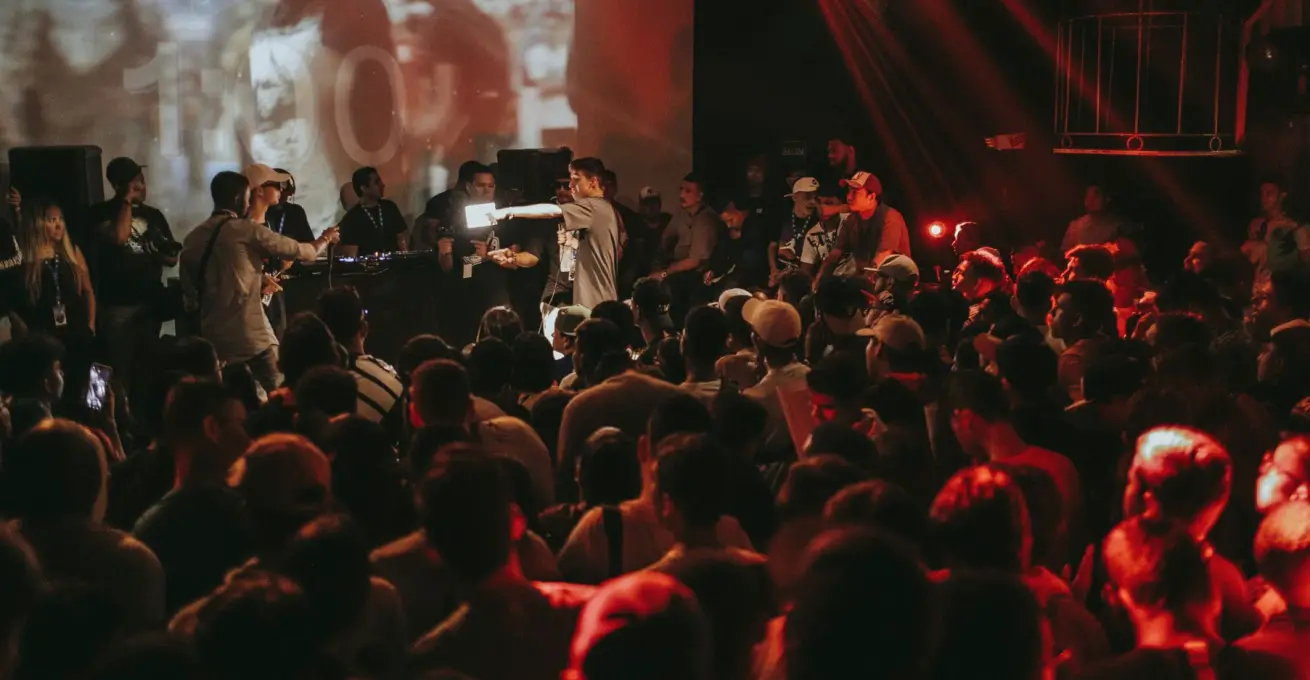
By mid autumn the daylight that helped many summer productions has gone. Festival stages that relied on a bright sky behind the performers have been replaced by indoor halls, university venues and studio floors, and the lighting plot has to do far more of the work. As a sound engineer I sit beside the lighting team at most of these shows, and I see how quickly a plot built for summer falls short once the windows are blacked out.
The first conversation is always about the cameras. A plot that looks warm and moody to the eye can leave a camera sensor starved, and the vision engineer then lifts the gain to compensate, which brings noise into the picture. Agreeing the camera models, their lenses and the target exposure before a single fixture is hung saves a long evening of compromise on the day of the shoot.
- Confirm which cameras and lenses will be used
- Agree a target exposure level early
- Check whether any daylight remains in the venue
Autumn venues are full of mixed light. A hall may have tungsten house lamps, LED panels brought in by the production, and the odd exit sign that nobody can switch off. Each of these has a different colour temperature, and a camera will happily record all of them as separate casts across the same face. The simplest remedy is to decide on one working temperature for the key light and then gel or switch off whatever fights it.
Priya Nair, our lighting designer, often walks a venue with a colour meter before drawing anything. The readings tell her which sources can stay and which must be dealt with. It is a small step, and it is far cheaper to settle in daylight hours during a recce than to chase an orange tint through the gallery monitors while the audience is arriving.
- Measure house lights during the recce
- Choose a single working colour temperature
- Cover or remove stray practical lamps
Cold venues bring their own problems. Unheated halls in the evenings can leave moving fixtures stiff on their first cues, and condensation forms on lenses when equipment moves from a cold van into a warm room. Allow time for gear to settle before powering it up, and run a full movement test well ahead of doors, not in the last minutes before the show.
Cable runs deserve the same attention. Damp floors and long outdoor-to-indoor runs are common at this time of year, and a connector that behaved perfectly in July can start to fail. Carrying spare cables and a few spare fixtures costs little compared with the delay of replacing a dead unit mid-rig, and it keeps the schedule that the workflow team has built intact.
- Let equipment warm up before power-on
- Test every moving fixture before doors
- Pack spare cables and a spare fixture
Shorter days tempt designers towards dramatic, low-key looks, with deep shadows and strong colour. These can be striking in the room but difficult on camera, where the dynamic range is narrower than the human eye. A useful rule is to light the performers first for the cameras and then add atmosphere around them, rather than the other way round.
Backlight deserves particular care. Strong back and side light separates people from dark backgrounds and gives the picture depth, but it must not flare into the lens. Check each camera position from the camera's own point of view, ideally with someone standing in the key positions, before the plot is signed off. Small changes in angle often remove a flare problem without any loss of mood.
- Light the performers before the atmosphere
- Check flare from every camera position
- Use backlight to separate people from the set
Lighting does not sit alone on a production. Rigs hung in the wrong place can block microphone positions or throw hum into audio lines, and dimmer noise is a familiar complaint from those of us on the mixing desk. Raising it during planning rather than at the line check keeps the relationship between departments easy and the show on time.
The same applies to the schedule. Focusing a rig takes longer than most organisers expect, and in autumn the venue access window is often shorter because halls are booked for other evening events. Share the plot with the crew plan early, so that rigging, focus, sound check and rehearsal each have a realistic slot and nobody is working in the dark at the last minute.
- Keep dimmers and audio cables apart
- Reserve proper focus time in the schedule
- Share the plot with every department early
Before the next booking, go through the basics. Confirm the cameras, agree the target exposure, measure the venue's existing light, and decide the working colour temperature. Allow equipment time to warm up, test every fixture, and carry spares for cables and lamps. None of this is complicated, but it is easily forgotten once the diary fills up.
If your production is planning a new studio look or an indoor festival stage for the winter, a written lighting plot reviewed against your camera list is a sensible first step. It gives the whole crew something concrete to react to, and problems found on paper are always cheaper to solve than those found with the audience in the room.
The darker months ask more of a lighting plot, not less. Fewer natural sources, colder rooms and tighter access windows all reward early planning with the cameras in mind. Decide the exposure, settle the colour temperature, test the rig and leave time for focus. A plot prepared this way stays quiet in the background, which is exactly where good lighting belongs while the show goes out.