Clear technical planning for television studios and live stages
We design broadcast studios, set up camera control and lighting, and plan sound and workflows for television networks, concerts and festivals, with plain written guidance throughout.


Work we take on for productions
celebyzo works across the technical side of screen and stage. Whether the job is a new studio gallery or a festival weekend, each piece of work comes with written plans your crew can follow on the day.
- Studio layouts, sets and gallery planning
- Remote camera heads and camera control setup
- Vision mixing for multi-camera shoots
- Lighting plots matched to the cameras in use
- Front of house and broadcast audio mixing
- Signal routing, schedules and crew plans
- Written equipment reviews and consultancy
Studios, stages and galleries
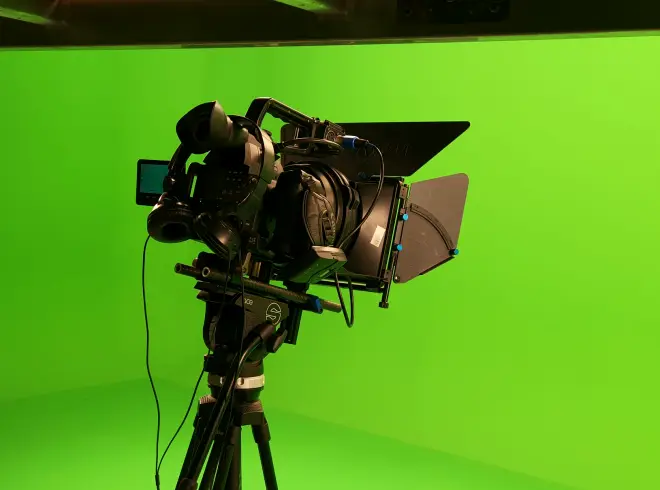
Studio floor and set 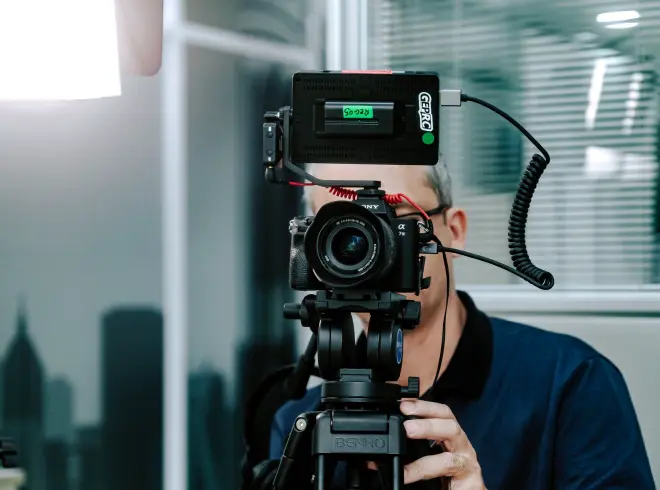
Vision mixing gallery 
Concert lighting rig 
Front of house mixing 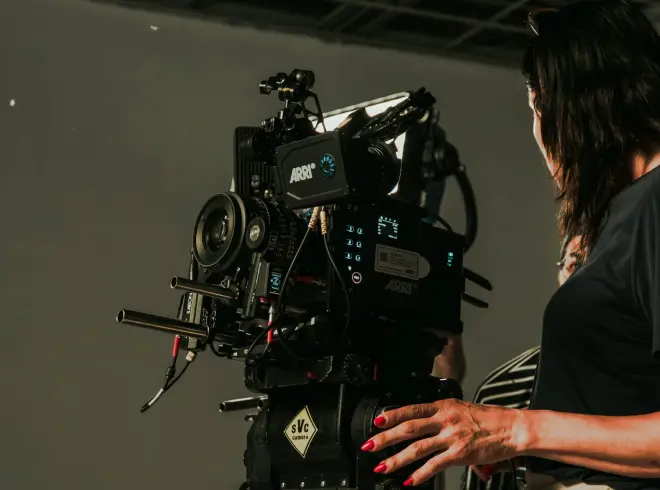
Outside broadcast cabling 
Technical plan review
A small Oxford team that puts the plan on paper
We believe a good production starts with a plan everyone can read: clear drawings, honest equipment lists and a schedule the whole crew understands before anything is plugged in.
celebyzo has worked from Oxford since 2012, led by Oliver Hartley, who came from studio and outside broadcast production. We bring together design, lighting, sound and operations under one roof, so decisions in one area do not trip up another.
- Clarity
- Reliability
- Craft
Why the planning stage matters most
Most problems on a broadcast or live event are decided long before the crew arrives. Time spent on layout, signal paths and rehearsal notes is cheaper than fixing the same issues on a busy production day.
Design before equipment
We start from what the programme or event needs to show and hear, then work back to the room, the cameras and the kit. This keeps equipment lists honest and avoids buying capacity that no one will use. Floor plans, gallery layouts and cable routes are drawn up and agreed with you before any order is placed, so everyone can see what the finished set-up will look like.
Departments that agree
Lighting has to suit the cameras, and sound has to fit around the set and the lighting rig. Because our lighting designer, sound engineer and workflow manager work on the same projects, those conflicts are caught on paper. You get one coordinated plan rather than separate recommendations that contradict each other when the crew meets on site.
Written and usable
Everything we produce is meant to be handed to a crew: plots, patch lists, signal diagrams, rotas and running notes. We keep the wording plain and the layout tidy, so a freelance operator joining on the morning can find what they need. If your team changes between planning and show day, the documents still hold up.

Consultancy
How to Brief a Production Consultant Before Your Studio Build
A practical guide to preparing for a written consultancy review: what to gather, what to ask, and how to read the report so it helps your new audiovisual set-up.

Sound Engineering
A Sound Engineering Checklist to Work Through Before You Commit
Priya Nair sets out the questions a producer or organiser should answer about audio capture, mixing and monitoring before settling on a plan for a broadcast or live event.
Workflow Planning
Live Event Workflow Planning: Common Mistakes and How to Avoid Them
Most live production problems start long before doors open. Daniel Whitfield walks through the planning mistakes he meets most often on festivals and broadcasts, and the habits that prevent them.